
Introduction
Learning how to start eating healthy can feel overwhelming, especially with so many conflicting diet trends and food advice available today. However, developing a healthy eating routine is not about extreme restrictions or complicated meal plans. It’s about understanding your body’s needs, making mindful choices, and creating habits that last. Whether you want to improve your energy, manage your weight, or simply feel better, eating healthy is the foundation of a balanced lifestyle.
Many people struggle with knowing how to eat healthy because they equate it with boring meals or giving up favorite foods. The truth is, healthy eating is flexible and enjoyable when approached correctly. By incorporating whole foods, moderating processed items, and understanding portion sizes, you can gradually improve your diet without feeling deprived. This approach also supports overall wellness and the promotion of a healthy lifestyle, which includes not just diet, but movement, hydration, and mental wellbeing.
In this comprehensive guide, we will break down the principles of healthy eating, provide a step-by-step plan for beginners, highlight the benefits, warn about common mistakes, and answer frequently asked questions. By the end, you will have a clear roadmap for transforming your diet and making informed choices that support long-term health.
What is How to Start Eating Healthy?
How to start eating healthy refers to adopting dietary habits that support your physical, mental, and emotional well-being. It’s more than just selecting low-calorie foods; it’s about choosing nutrient-dense meals that fuel your body efficiently. Healthy eating emphasizes a balance of macronutrients—carbohydrates, proteins, and fats—along with essential vitamins, minerals, and fiber.
Key principles include:
- Prioritizing whole foods: Fresh fruits, vegetables, whole grains, lean proteins, and healthy fats.
- Minimizing processed foods: Reducing sugar, refined carbs, and packaged snacks.
- Listening to your body: Eating when hungry, stopping when full, and paying attention to energy levels.
- Moderation over restriction: Allowing flexibility to enjoy treats occasionally without guilt.
Starting to eat healthy doesn’t require a complete diet overhaul overnight. Small, consistent changes are more sustainable and effective in the long run. By understanding the basics, anyone can take steps toward a balanced diet and better overall health.
Why is How to Start Eating Healthy Important?
Eating healthy is crucial because it directly affects how you feel, both physically and mentally. Here are some key reasons:
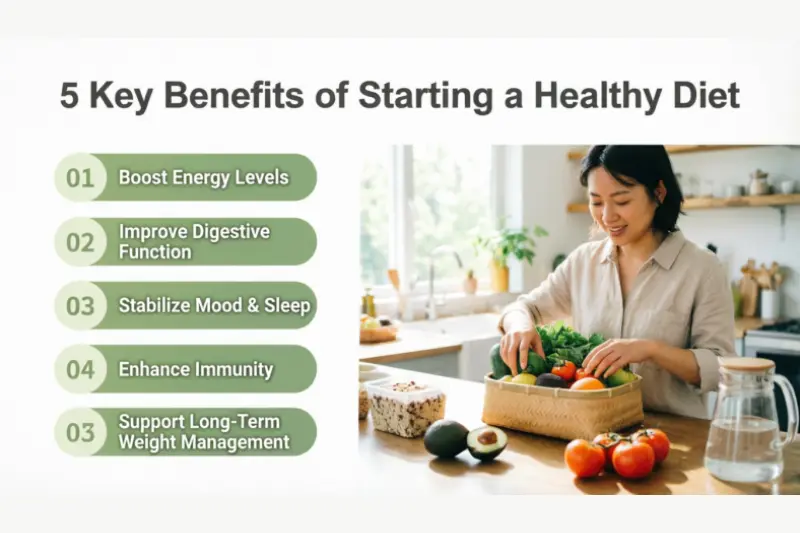
- Supports overall health: Proper nutrition reduces the risk of chronic diseases like diabetes, heart disease, and obesity.
- Boosts energy levels: Balanced meals stabilize blood sugar, preventing energy crashes.
- Enhances mental clarity: Nutrient-rich foods support brain function and mood regulation.
- Strengthens immunity: Vitamins, minerals, and antioxidants help the body fight infections.
- Promotes healthy weight management: A balanced diet prevents overeating and supports sustainable weight loss.
- Improves digestion: Fiber from fruits, vegetables, and whole grains aids digestive health.
By learning how to start eating healthy, you’re not just changing your diet—you’re investing in your long-term health and quality of life. This approach also supports the promotion of a healthy lifestyle, creating habits that influence other areas, like exercise and sleep.
Detailed Step-by-Step Guide
Here’s a practical, step-by-step plan to help beginners learn how to start eating healthy successfully.
Step 1: Assess Your Current Diet
- Keep a food diary for 3–5 days.
- Note meals, snacks, beverages, and portion sizes.
- Identify unhealthy patterns like excessive sugar, processed foods, or skipping meals.
Step 2: Set Realistic Goals
- Start with small, achievable changes instead of drastic overhauls.
- Example: “I will add one vegetable to my lunch each day” instead of cutting all snacks at once.
- Use SMART goals: Specific, Measurable, Achievable, Relevant, Time-bound.
Step 3: Understand Portion Control
- Use hand-size measurements for guidance:
- Palm = protein serving
- Fist = carb serving
- Thumb = healthy fat
- Avoid oversized plates to naturally reduce overeating.
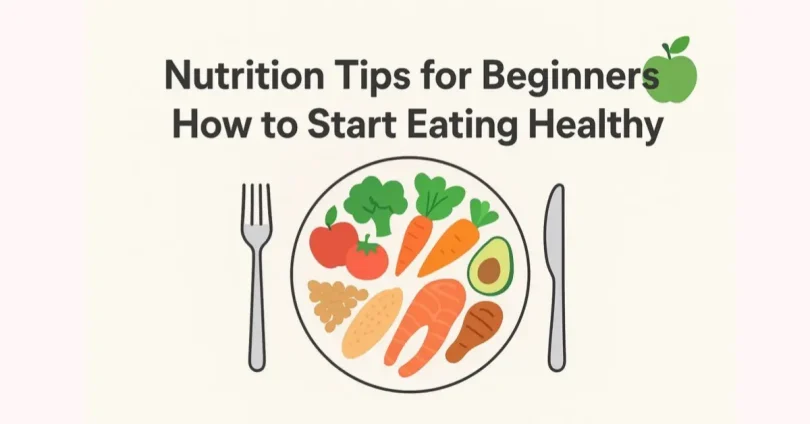
Step 4: Focus on Nutrient-Dense Foods
- Prioritize:
- Fruits and vegetables (diverse colors for varied nutrients)
- Whole grains like brown rice, oats, and quinoa
- Lean proteins such as chicken, fish, tofu, and legumes
- Healthy fats from nuts, seeds, and olive oil
- Reduce processed snacks, sugary drinks, and fried foods.
Step 5: Plan Your Meals
- Prepare meals ahead to avoid impulsive choices.
- Example: Batch-cook vegetables or grains for the week.
- Keep healthy snacks handy: fruits, yogurt, nuts, or hummus.
Step 6: Stay Hydrated
- Drink water throughout the day; aim for at least 8 glasses.
- Limit sugary beverages and alcohol.
- Herbal teas or infused water can add variety.
Step 7: Practice Mindful Eating
- Eat slowly and without distractions.
- Pay attention to hunger and fullness cues.
- Avoid eating out of boredom or stress.
Step 8: Gradually Replace Unhealthy Choices
- Swap white bread for whole-grain bread.
- Replace sugary snacks with fruit or nuts.
- Choose baked or grilled options instead of fried.
Step 9: Include Variety
- Rotate foods to prevent nutrient gaps.
- Experiment with new recipes to avoid monotony.
- Seasonal produce can enhance taste and nutrition.
Step 10: Track Progress and Adjust
- Note improvements in energy, mood, and digestion.
- Adjust portions or meal composition based on results.
- Celebrate small milestones to maintain motivation.
Benefits of How to Start Eating Healthy
- Improves overall physical health
- Supports weight management
- Boosts energy and reduces fatigue
- Enhances mental clarity and mood
- Strengthens immunity and reduces illness risk
- Promotes healthy digestion
- Encourages lifelong healthy habits
Disadvantages / Risks
- Initial adjustment may cause cravings or mild fatigue
- Overemphasis on strict rules may lead to stress
- Social situations may be challenging (e.g., dining out)
- Some diets can create nutrient deficiencies if poorly planned
Common Mistakes to Avoid
- Skipping meals: Can lead to overeating later.
- Fad dieting: Avoid extreme diets lacking essential nutrients.
- Neglecting protein or healthy fats: Can affect energy and satiety.
- Relying solely on supplements: Whole foods are irreplaceable.
- All-or-nothing mindset: Occasional treats are fine; consistency matters.
- Ignoring hydration: Water is essential for digestion and metabolism.
- Not planning meals: Leads to poor choices and impulsive eating.
How quickly can I see results from eating healthy?
Results vary depending on your goals. Energy improvements may appear within a week, while weight management or cholesterol changes can take several weeks. Consistency is key.
Can I still enjoy treats while eating healthy?
Yes. Moderation is crucial. Occasional treats help maintain a balanced approach and prevent feelings of deprivation.
How do I avoid cravings for sugary or processed foods?
Cravings reduce over time as your body adjusts. Prioritize protein and fiber, drink water, and keep healthy snacks accessible.
Should I count calories to eat healthy?
Not necessarily. Focus on nutrient-dense foods, portion sizes, and mindful eating. Counting calories can help some people, but it’s not required for everyone.
How do I make healthy eating affordable?
Buy seasonal produce, plan meals, cook at home, and use staples like rice, beans, and oats to reduce costs. Frozen fruits and vegetables are also budget-friendly and nutritious.
Conclusion
Learning how to start eating healthy is a journey, not a race. By making small, sustainable changes, you can improve your energy, mental clarity, and overall well-being. Healthy eating is about balance, variety, and enjoyment, not strict rules or deprivation.
Start by assessing your current habits, setting realistic goals, and gradually incorporating whole, nutrient-rich foods. Focus on portion control, hydration, and mindful eating, while avoiding common mistakes like skipping meals or following fad diets. With patience and consistency, these habits become second nature, supporting the promotion of a healthy lifestyle for years to come.