
Introduction: What Healthy Living Really Means
When most people hear healthy living, their minds jump straight to strict diets, intense workouts, or those “perfect morning routines” you see on social media. But the truth? Healthy living isn’t about perfection, kale smoothies, or running five miles before sunrise. It’s far simpler-and far more powerful-than that.
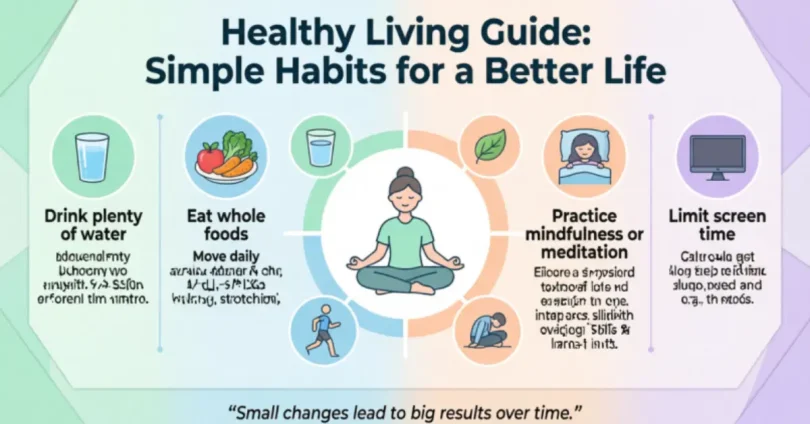
At its core, healthy living is about creating sustainable habits that support your body, mind, and overall lifestyle. It’s not about one “perfect day” or an extreme challenge; it’s about the small, everyday decisions that quietly add up over time. Drinking enough water, moving your body in ways you enjoy, eating nourishing foods most of the time, and protecting your sleep-these are the building blocks that make a real difference.
Think of healthy living as a lifelong partnership with yourself. You’re not trying to follow someone else’s checklist; you’re finding what works for your life, your energy, and your goals. It’s forgiving, flexible, and most importantly, achievable.
Here’s a question for you to consider: if you could adopt just one simple habit today that improves your well-being, what would it be? That’s where healthy living starts-small, intentional steps that grow into lasting change.
Nutrition Basics: Eating for Energy and Wellness
When it comes to healthy living, nutrition is one of the most powerful levers you can pull. What you eat directly affects your energy, mood, focus, and even your sleep. But here’s the catch: healthy living isn’t about strict meal plans, expensive superfoods, or cutting out entire food groups. It’s about making consistent, balanced choices that support your body day after day.
Whole Foods vs. Processed Foods
One of the simplest ways to improve your nutrition is understanding the difference between whole and processed foods. Whole foods-think vegetables, fruits, whole grains, nuts, seeds, and lean proteins-are foods in their natural state. They deliver nutrients your body actually recognizes and uses effectively.
Processed foods, on the other hand, are often stripped of nutrients and loaded with additives, sugars, and unhealthy fats. You don’t have to eliminate them completely, but minimizing them helps your body function at its best. For example, swapping a bag of chips for a handful of almonds or carrot sticks gives you longer-lasting energy and fewer sugar spikes.
Protein and Balanced Meals
Protein is another cornerstone of healthy living. It helps stabilize your blood sugar, keeps you fuller for longer, and supports muscle repair and metabolism. Including a source of protein in every meal-whether it’s eggs at breakfast, Greek yogurt as a snack, or beans and chicken at lunch-can prevent energy crashes and unnecessary snacking.
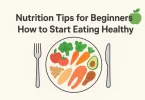
Balanced meals don’t have to be complicated. A simple guideline is to fill half your plate with vegetables, a quarter with lean protein, and a quarter with complex carbs. This ratio supports energy, brain function, and long-term wellness without turning meals into a math problem.
Hydration: A Habit That’s Often Overlooked
Water might be the simplest habit to improve your nutrition, yet it’s often the most neglected. Mild dehydration can make you feel tired, foggy, and even trigger hunger cues when your body actually just needs fluids. Carrying a reusable water bottle, drinking a glass before meals, and noticing your body’s thirst signals are small tweaks that pay off in big ways.
Think about it: how often have you reached for a sugary drink or snack when a glass of water would have done the trick? Making hydration a consistent part of your day is one of the easiest ways to support energy and overall health.
Physical Activity: Moving Your Body the Right Way
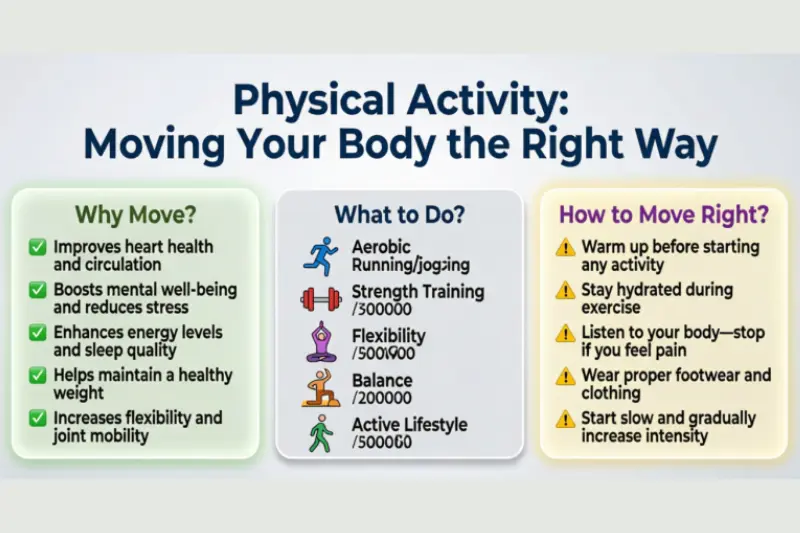
Healthy living isn’t just about what you eat-it’s also about how you move. Regular physical activity affects not only your body but also your mind. From boosting energy and improving mood to reducing the risk of chronic diseases, movement is a cornerstone of sustainable wellness. The good news? You don’t need to live in a gym or spend hours doing intense workouts to reap the benefits.
The Benefits of Regular Movement
When you make movement a regular part of your routine, your body responds in countless ways. It strengthens your heart, improves circulation, supports joint health, and helps maintain a healthy weight. But the benefits aren’t only physical-exercise releases endorphins, reduces stress, and can even improve your focus and creativity.
Even short, consistent sessions can make a difference. Think of healthy living as a snowball: small actions compound over time. Ten minutes of stretching, a brisk 20-minute walk, or a few strength exercises today can lead to lasting improvements in energy and mood.
Walking, Strength Training, and Enjoyable Exercises
Walking is often underestimated, yet it’s one of the most accessible and effective forms of movement. A daily 20–30 minute walk can improve cardiovascular health, aid digestion, and even give your brain a gentle boost.
Strength training is equally important. Building and maintaining muscle supports metabolism, protects joints, and improves posture-benefits that become increasingly important as we age. You don’t need a fancy gym; bodyweight exercises like squats, push-ups, or resistance bands at home can be highly effective.
The key, however, is to find exercises you actually enjoy. Dancing, hiking, cycling, swimming, or yoga can all count as movement. If it feels fun or rewarding, you’re much more likely to stick with it. Ask yourself: what type of movement would you do even if no one asked you to? That’s often your best choice.
Making Exercise Fit Your Life
One of the biggest mistakes people make is trying to force exercise into an unrealistic schedule. Healthy living works best when movement integrates naturally into your lifestyle. Instead of “I have to work out an hour every day,” start with small, manageable sessions that suit your schedule.
Even simple tweaks-taking the stairs, walking during phone calls, or doing a 10-minute stretch before bed-contribute to long-term wellness. The goal isn’t perfection; it’s consistency. Over time, these small, intentional choices build into a habit that feels natural, not forced.
Sleep and Recovery: The Foundation of Healthy Living
When people talk about healthy living, sleep is often the forgotten pillar. Yet it’s arguably one of the most powerful habits you can build. Quality sleep isn’t just about feeling rested in the morning-it affects your energy, focus, mood, immunity, and even how your body recovers from exercise.
Why Sleep Matters
Chronic sleep deprivation can sneak up on you. Feeling a little groggy, craving sugary snacks, or struggling to concentrate might seem normal, but over time, these small deficits add up. Sleep helps regulate hormones that control appetite, stress, and metabolism. It also supports brain function, memory consolidation, and emotional resilience. Simply put, without enough rest, your other healthy living habits-nutrition, exercise, stress management-won’t be as effective.
How Much Sleep Do You Really Need?
Most adults thrive on 7–9 hours per night, though quality matters as much as quantity. Even a full eight hours won’t help if your sleep is fragmented or interrupted frequently. Think of sleep as a daily recharge for your body and mind-skipping it repeatedly creates debt that’s hard to pay off.
Creating a Sleep-Friendly Routine
Good sleep starts with habits you can actually maintain. Here are a few practical tips that make a difference:
- Consistent schedule: Going to bed and waking up at the same time each day signals your body when it’s time to rest.
- Wind-down rituals: Dim lights, limit screens 30–60 minutes before bed, or read a calming book. Small cues tell your brain it’s time to relax.
- Environment matters: Keep your bedroom cool, dark, and quiet. Even minor adjustments, like blackout curtains or a white-noise machine, can improve sleep quality.
- Mind your caffeine and alcohol: Both can disrupt sleep cycles, even if you don’t notice it immediately.
Ask yourself: when was the last time you genuinely felt fully rested? Most of us underestimate the impact of consistent sleep on overall health-but improving it can be one of the fastest ways to boost energy and mental clarity.
Recovery Beyond Sleep
Recovery isn’t just bedtime. It’s also about listening to your body throughout the day. Gentle stretching, short walks, meditation, or even a few minutes of deep breathing can help reduce tension, improve circulation, and enhance focus. Think of these micro-recovery moments as small investments in long-term healthy living.
Mental Health: Caring for Your Mind as Part of Healthy Living

Healthy living isn’t just about food, exercise, or sleep-it’s also about mental and emotional well-being. Your mind and body are deeply connected. Chronic stress, anxiety, or burnout can sabotage even the best habits, making it harder to eat well, move regularly, or sleep properly. That’s why taking care of your mental health is a crucial part of a sustainable, balanced lifestyle.
Managing Stress in Everyday Life
Stress is normal, but prolonged stress is harmful. It affects your immune system, raises inflammation, and even impacts digestion. The good news? Small, consistent practices can make a huge difference.
- Mindfulness and meditation: Even five minutes a day can reduce anxiety and improve focus.
- Journaling or reflection: Writing down thoughts or gratitude lists helps process emotions and reduces mental clutter.
- Breathing exercises: Simple deep-breathing techniques can calm the nervous system in minutes.
Ask yourself: when was the last time you paused to just breathe and reset your mind? Often, we ignore small mental breaks, but they’re essential for long-term healthy living.
Protecting Your Mental Space
In today’s world, constant notifications and social media scrolling can fragment your attention and increase stress. Setting small boundaries-like no phones during meals or a tech-free hour before bed-can protect your mental energy.
Seeking Support
Mental health isn’t something you have to tackle alone. Talking to a trusted friend, family member, or professional can provide clarity, reduce stress, and improve resilience. Reaching out isn’t a sign of weakness; it’s a proactive step toward long-term wellness.
The Mind-Body Connection
When your mental health is prioritized, the other pillars of healthy living-nutrition, exercise, and sleep-become more effective. Your body responds better, your energy improves, and you can make healthier choices without feeling like a chore.
Healthy living isn’t just about a strong body; it’s about a balanced, resilient mind that supports every other habit you build.
Habit Formation: Building Sustainable Routines
When it comes to healthy living, habits matter far more than motivation. Motivation comes and goes, but consistent habits create lasting change. The trick isn’t to overhaul your life overnight-it’s to build routines that are realistic, repeatable, and fit seamlessly into your daily life.
Start Small, Not Big
One of the biggest mistakes people make is trying to change everything at once. “I’ll quit sugar, work out twice a day, and meditate every morning.” That’s a recipe for burnout.
Instead, start with one manageable habit. Maybe it’s drinking a glass of water first thing in the morning, walking 10 minutes after lunch, or adding a serving of vegetables to one meal. These small actions might feel tiny, but over time, they compound into meaningful, sustainable change.
Habit Stacking: Make It Automatic
A simple but powerful technique is habit stacking-attaching a new habit to an existing one. For example:
- After brushing your teeth → do two minutes of stretching
- After lunch → go for a short walk
- Before bed → write down one thing you’re grateful for
By linking a new habit to something you already do automatically, you reduce the mental friction and increase the chance it sticks.
Reduce Friction, Increase Consistency
Environment matters. If you want to eat healthier, keep fruits and vegetables visible and accessible. If you want to move more, leave your workout clothes ready the night before. Small tweaks like these make healthy living feel effortless, not like a constant struggle.
Avoid All-or-Nothing Thinking
Perfection is the enemy of progress. Missing a day of exercise or eating a dessert doesn’t erase your healthy habits. Healthy living is about the pattern over time, not one isolated choice. Reflect instead: “Did my overall habits move me forward?” That mindset keeps you consistent and confident.
Momentum Builds Identity
Each small, consistent habit doesn’t just improve your day-to-day health-it shapes your identity. When you repeat small actions over time, you start to see yourself as someone who makes healthy choices naturally. And that identity reinforces more good habits, creating a positive cycle.
Preventive Care: Partnering with Your Health
Healthy living isn’t just about daily habits like eating well, exercising, or sleeping. It also includes taking proactive steps to protect your health over the long term. Preventive care ensures that you catch potential issues early, stay informed about your body, and avoid complications before they arise.
Regular Check-Ups Matter
Even if you feel healthy, routine medical check-ups are essential. Blood pressure, cholesterol, blood sugar, and other basic tests can reveal hidden risks that show no obvious symptoms. Catching these early allows for simpler, more effective interventions- often lifestyle adjustments, not drastic treatments.
For example, noticing slightly elevated blood sugar can motivate small dietary changes that prevent diabetes, rather than waiting until serious complications appear. Healthy living works best when paired with informed medical guidance.
Vaccinations and Screenings
Preventive care also includes staying up to date on vaccinations, cancer screenings, and age-appropriate tests. These are not just bureaucratic checkboxes-they’re evidence-based ways to protect your body, prevent illness, and maintain long-term vitality.
Listening to Your Body
Preventive care isn’t only about formal medical visits. It’s also about paying attention to subtle signs your body gives you: persistent fatigue, unexplained aches, changes in mood or digestion. Ignoring these signals is easy, but addressing them early often leads to better outcomes.
Combining Habits and Preventive Care
Healthy living becomes far more effective when daily habits are paired with preventive strategies. Nutrition, exercise, sleep, and stress management all reduce risk, but routine medical care adds another layer of protection. Think of it as a partnership between your lifestyle choices and your healthcare provider-both working together to keep you at your best.
Common Myths About Healthy Living
Even when people are committed to healthy living, misconceptions can get in the way. Clearing up these myths is essential-otherwise, good intentions can lead to frustration, guilt, or burnout. Let’s break down some of the most common misunderstandings.
Myth 1: You Need Expensive Products
Some people believe healthy living requires fancy supplements, superfoods, or costly gym memberships. The truth? Most essentials are simple and affordable. Fresh fruits, vegetables, whole grains, water, and a bit of consistent movement form the foundation of wellness. Expensive products may enhance your routine, but they’re never a substitute for basic, consistent habits.
Myth 2: Extreme Diets or Workouts Are Required
All-or-nothing thinking is a major barrier. You don’t need to cut out entire food groups, run a marathon, or spend hours in the gym to be healthy. Sustainable, gradual changes-like swapping soda for water, walking after meals, or adding protein to breakfast-have a far greater long-term impact than temporary extremes.
Myth 3: It’s Too Late to Start
Many people assume that if they didn’t prioritize health earlier in life, it’s too late to benefit now. That’s simply not true. The human body is highly adaptable, and even small adjustments in diet, activity, and sleep can produce noticeable improvements in energy, mood, and overall health-sometimes within weeks.
Myth 4: One “Bad” Day Ruins Everything
Skipping a workout or indulging in dessert doesn’t erase progress. Healthy living is about patterns over time, not perfection in a single moment. Reflecting on your habits rather than punishing yourself for occasional lapses keeps consistency intact and reduces stress around health decisions.
Myth 5: Healthy Living Is Only Physical
Many people focus exclusively on nutrition and exercise, overlooking mental and emotional well-being. True healthy living integrates mind and body-sleep, stress management, mindfulness, and social connection all play critical roles in overall wellness.
Lifestyle Integration: Making Healthy Living Fit Your Real Life
One of the biggest hurdles to healthy living isn’t knowing what to do-it’s making it work within your real, busy life. Work schedules, family responsibilities, social commitments, and unexpected events can make even simple habits feel impossible. The key is designing a lifestyle where healthy choices fit naturally, rather than forcing your life around rigid routines.
Start Where You Are
Healthy living isn’t about radical reinvention overnight. Begin by identifying small opportunities in your day. Can you take a short walk during your lunch break? Swap a sugary drink for water at your desk? Add one extra vegetable to dinner? These small tweaks may seem minor, but over time, they accumulate into lasting results.
Make It Convenient
Environment shapes behavior more than willpower. Keep fruits and healthy snacks visible, set up a space for quick home workouts, and lay out your gym clothes the night before. The easier it is to make the healthy choice, the more likely you are to follow through.
Be Flexible, Not Rigid
Life happens. Meetings run late, kids get sick, travel disrupts your routine. Healthy living works best when it adapts to reality. Missing a workout or indulging in a treat occasionally doesn’t undo your progress-it’s about returning to your habits, not perfection.
Combine Social Life and Wellness
Healthy living doesn’t mean isolating yourself. Invite friends or family into your habits: a weekend hike, cooking a balanced meal together, or joining a fitness class. Social accountability and shared enjoyment make habits stick and create positive associations with wellness.
Reflect and Adjust
Periodically check in with yourself: Which habits feel natural? Which feel forced? Adjust your routines to fit your energy, schedule, and preferences. Healthy living is a lifelong experiment-the goal is consistency over perfection.
Long-Term Benefits and Motivation: Why Healthy Living Is Worth It
Healthy living isn’t about short bursts of effort or temporary diets-it’s a lifelong journey. The choices you make today compound over months and years, creating lasting physical, mental, and emotional benefits that often exceed what people expect.
Physical Benefits
Consistently prioritizing nutrition, movement, and sleep strengthens your body in ways that protect you from disease, improve energy, and support mobility as you age. Your cardiovascular system becomes stronger, muscles and bones stay resilient, and metabolism functions more efficiently. Even small habits, like daily walks or adding vegetables to your meals, contribute to long-term vitality.
Mental and Emotional Benefits
Healthy living isn’t just physical. Managing stress, prioritizing sleep, and creating balanced routines enhance focus, mood, and emotional resilience. People who adopt these habits often notice they feel calmer, think more clearly, and bounce back from challenges faster. It’s like giving your brain the same care you give your body-and the payoff is immense.
Motivation Through Small Wins
Staying motivated for long-term healthy living doesn’t rely on massive achievements. It comes from small, measurable wins. Did you choose water instead of soda today? Take a 20-minute walk? Sleep an extra half hour? These small actions reinforce your identity as someone who prioritizes wellness and build momentum naturally.
Quality of Life
Ultimately, healthy living improves how you experience your day-to-day life. You have more energy to enjoy hobbies, connect with loved ones, and pursue personal or professional goals. Better health often means more confidence, independence, and freedom in your daily life.
Reflective question: Which aspect of your life would feel easiest to improve if you invested just 10 minutes of intentional action today? Often, that small step is the beginning of meaningful change.
What is healthy living?
Healthy living is about creating sustainable habits that support your body and mind-like balanced nutrition, regular movement, quality sleep, and stress management-rather than chasing perfection.
Do I need to follow a strict diet to practice healthy living?
Not at all. Healthy living is about consistent, balanced choices, not extreme diets. Focus on whole foods, proper hydration, and portion balance instead of cutting out everything you enjoy.
How much exercise do I need for healthy living?
Even moderate movement counts. Aim for at least 20–30 minutes of activity most days-walking, strength exercises, or any activity you enjoy. Consistency matters more than intensity.
Can healthy living improve mental health?
Yes! Nutrition, movement, sleep, and stress management all support mental clarity, mood stability, and emotional resilience. Healthy living is as much about the mind as the body.
How do I start practicing healthy living without feeling overwhelmed?
Start small. Pick one habit you can sustain today-drink more water, take a short walk, or add a vegetable to a meal. Gradually build habits over time; consistency is the key
Conclusion
Healthy living isn’t about perfection or dramatic overnight changes. It’s about small, consistent habits that support your body, mind, and lifestyle. Every glass of water, short walk, balanced meal, or good night’s sleep adds up over time, creating real, lasting benefits.
The most important part? Make it fit your life, not the other way around. Start with one habit today, listen to your body, and adjust as needed. Over time, these intentional choices become part of who you are — a person who naturally prioritizes wellness, balance, and energy.
Remember, healthy living is a journey, not a destination. Small steps, repeated consistently, lead to a stronger, happier, and more resilient you. So ask yourself: what’s one simple change you can make today to feel better tomorrow?